
Next-Gen vs Legacy MRO Software for Aviation Operations
Legacy aviation systems and next-gen systems may look similar on the surface. Both promise visibility, compliance, and control. The real difference becomes apparent when work is done.

Legacy systems record activity after the fact. Next-gen systems capture reality as it happens. That single distinction determines whether records can be trusted, audits can run smoothly, and operations remain in control.
What happens after you request access?
- We reply with next steps within two business days
- You receive access with sample data, or your own data if ready
- You run one real workflow
Next-Gen Means App-Simple, Not Project-Heavy
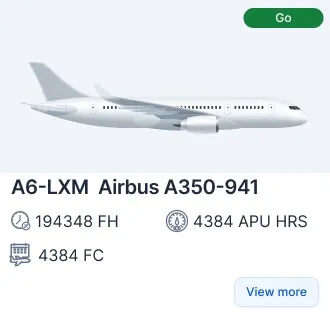
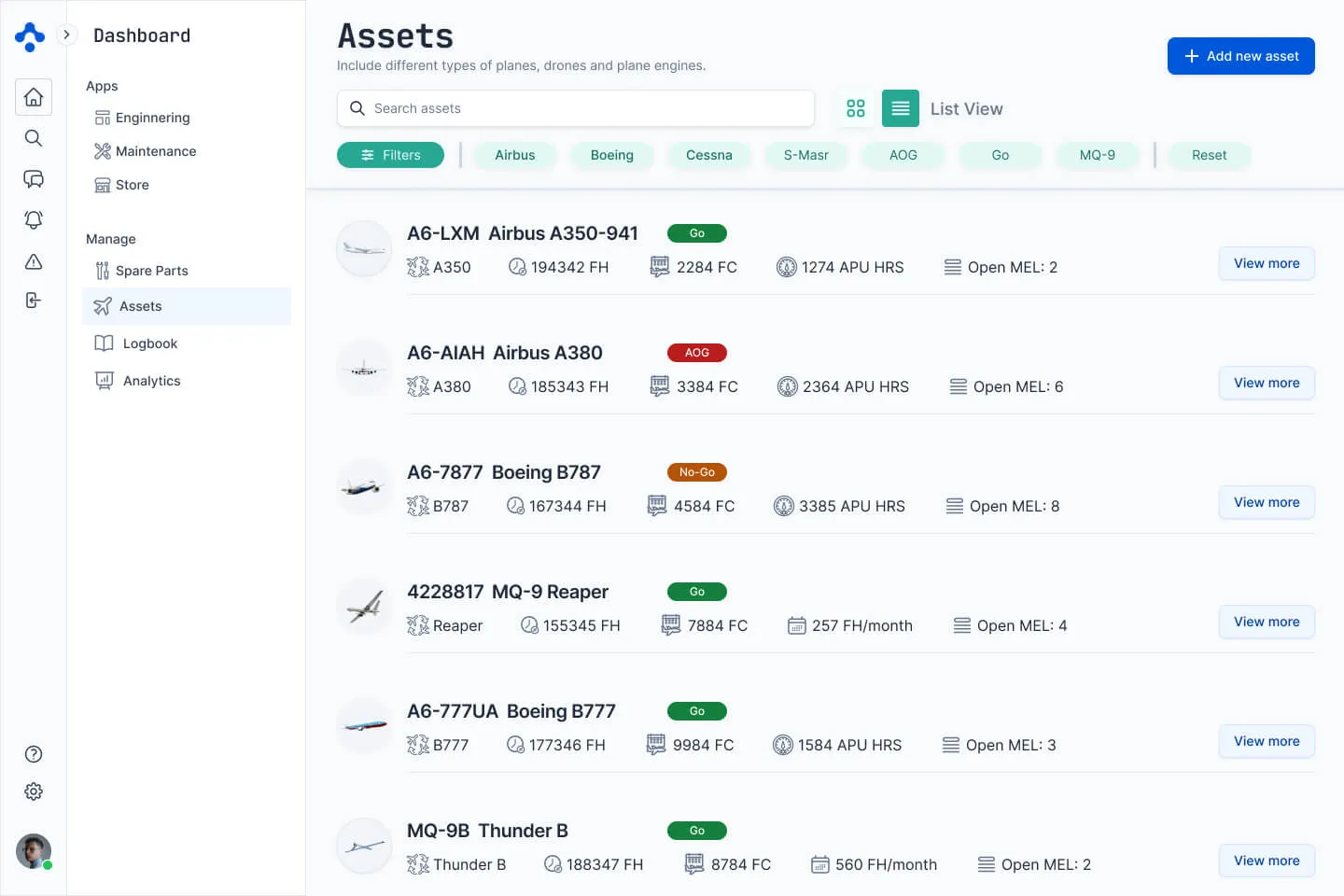
At AirNxt, next-gen means App Store simple. You open the platform, and you know how to use it. There are no training programmes, walkthroughs, or onboarding phases before value appears.
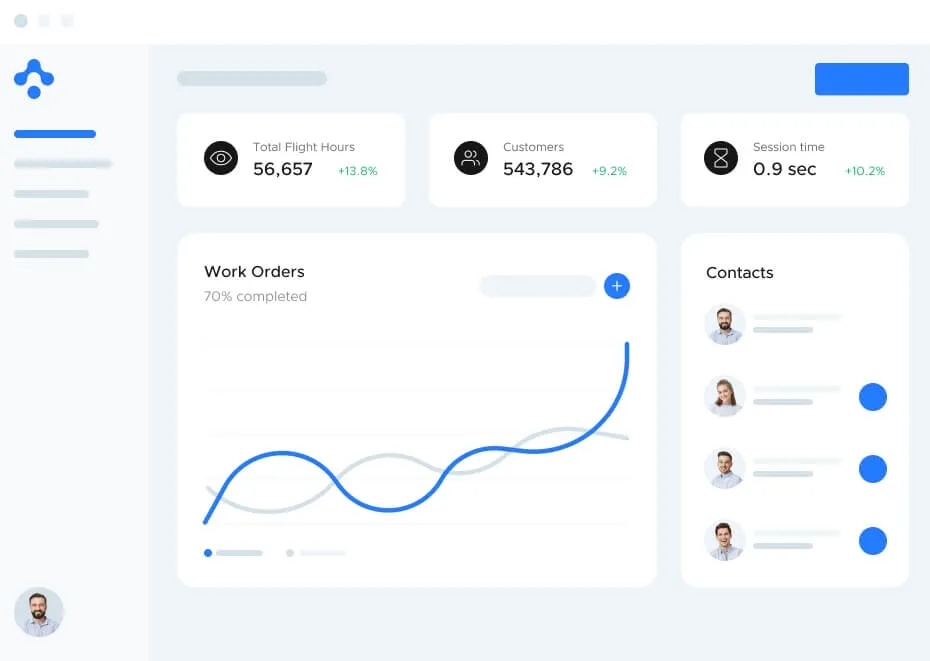
The system runs where work happens: desktop in the office, iPad on the floor, and phone when needed. The experience stays consistent everywhere, with the same record shared across devices. There is no lock-in and no notice period to leave.
This simplicity removes friction where accuracy and speed matter most.

How Legacy Systems Fail at the Point of Work
Legacy systems were designed around reporting, not execution.
They assume frontline work can be reconstructed later through manual entry, spreadsheets, and reconciliation. In real operations, that assumption fails.
When data is entered late or across disconnected tools:
- Context is lost
- Errors creep in
- Accountability becomes unclear
This is why audits feel stressful, investigations take time, and compliance confidence erodes. Not because teams are careless, but because the system never sees reality when it happens.
What Changes When Records Are Created Correctly
Next-gen systems reverse the model.
Work is captured once, at source, in a structured way that preserves context and intent.
That same record flows automatically across maintenance, CAMO, planning, and compliance.Next-gen does not add layers. It removes the gap between action and record.
This is what allows aviation teams to trust their data without having to chase it.
Legacy vs Next-Gen: The Operational Difference
The systems you're comparing against were built in 1975, 1989, and 1992. AirNxt was built in 2025 - from scratch, forhow maintenance actually runs today.
Legacy Systems
- Records created after the work is done
- Manual reconciliation between teams
- Fragmented data across tools
- High audit pressure and investigation effort
- Legacy implementations take 6-12 months in ideal cases - most take 18 months or longer. Training runs 20 days per department. With AirNxt, run your first real workflow in minutes.
Next-Gen (AirNxt)
- Records created as work happens
- Structured data captured at source
- One shared operational record everywhere
- Strong audit confidence by default
- Learn as you use it
- Desktop, iPad, phone - same record, same truth, everywhere.
The Real Cost of Legacy What vendors don't mention upfront:
When records are trusted from the start:
- 5-year total cost: $2.3M - $5.5M for mid-size operations
- Dedicated system administrator: $78-136K/year
- Annual maintenance: 15-20% of license fee
- Price escalation: 5% annually, compounding
These are industry benchmarks, not estimates.
The Risk Legacy Systems Introduce
When records are trusted from the start:
- Defects are traceable end-to-end without reconstruction
- CAMO and operations stay aligned in real time
- Shift handovers improve because the data is complete
- Management sees live status without compiling reports
- Compliance risk drops as data stays clean at source
This reduces AOG surprises, shortens turnaround time, and lowers audit exposure without adding operational overhead.
Start
Without Risk
Most aviation organisations are not struggling due to people or processes. They are struggling because their systems were never designed to capture reality in real time. Next-gen systems do not modernise legacy workflows. They replace them with a model that reflects how aviation actually works today.
That is the difference between managing records and trusting them.